

June 21, 2026
Free zone Business Setup in Qatar
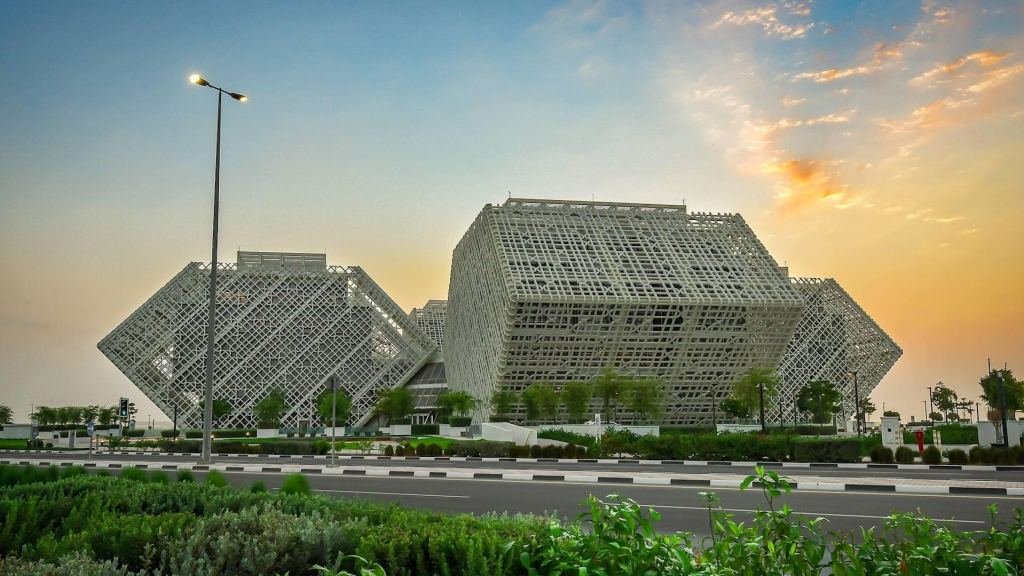
A Qatar free zone company is one of the most attractive options for investors and international entrepreneurs looking to establish a business presence in the country with flexible ownership structures and access to strategic sectors. Qatar’s free zones are designed to support foreign investment by offering streamlined setup processes, sector-focused infrastructure, and business-friendly regulatory frameworks, making them a key entry point for companies targeting regional and global markets. This guide explores everything you need to know about formation, costs, and Qatar free zone company setup.
What Is a Qatar Free Zone Company?
It is a business entity established within a designated free zone area in Qatar, where companies operate under a specialized regulatory and tax framework designed to support international trade, logistics, and investment activities.
These zones are structured to provide a controlled business environment with simplified procedures for company formation, licensing, and operations, while still remaining aligned with Qatar’s broader commercial regulations.
A company formation in Qatar free zone is typically used by foreign investors and export-oriented businesses seeking a strategic base in the region.
Why Choose Company Formation in Qatar Free Zone?
Choosing company formation in Qatar free zone is often driven by the need for a flexible and internationally oriented business structure.
A free zone company setup in Qatar allows investors to operate in a location designed for cross-border trade, with infrastructure that supports logistics, manufacturing, and service-based operations.
It is particularly suitable for companies that want proximity to regional markets while maintaining a structured and regulated business environment.
This setup is also preferred when businesses require simplified setup procedures compared to some mainland processes.
Who Can Set Up a Company in Qatar Free Zone?
A Qatar free zone company can typically be established by:
- Foreign investors.
- International corporations.
- SMEs.
- Entrepreneurs looking to expand into the Qatari and regional markets.
Eligibility usually depends on the nature of the business activity, compliance requirements, and the regulations of the specific free zone authority.
Investors from different sectors such as trading, logistics, technology, and services can often apply, provided their activities align with the permitted free zone categories and licensing framework.
What Are the Main Benefits of Qatar Free Zone Business Setup?
A Qatar free zone company offers several advantages for businesses focused on regional and international expansion. These often include:
- Streamlined registration processes.
- Access to purpose-built infrastructure.
- A business environment designed to support import-export and global operations.
Qatar free zones are also structured to reduce administrative complexity and provide a more predictable setup pathway compared to other jurisdictions.
Free Zone vs Mainland Company Setup in Qatar: What Is the Difference?
A Qatar free zone company operates within designated zones that are designed for international trade, logistics, and export-oriented activities, offering a structured environment with simplified procedures and sector-focused infrastructure.
In contrast, a mainland company is registered under the general Qatari commercial system and can operate directly within the local market without geographic restrictions.
Free zones are often preferred for global operations, while mainland setups are more suitable for businesses targeting the domestic market and government contracts.
What Business Activities Are Suitable for Qatar Free Zones?
A Qatar free zone company is typically suited for businesses involved in:
- International trade.
- Logistics.
- Technology.
- Light manufacturing.
- Consultancy.
- Service-based export activities.
These zones are designed to support companies that operate across borders or require efficient import and export processes.
Activities that depend on global supply chains or regional distribution networks are particularly well aligned with free zone ecosystems.
What Are the Requirements for Free Zone Company Formation in Qatar?
To establish a Qatar free zone company, investors generally need to:
- Define their business activity.
- Select a legal structure.
- Submit an application through the relevant free zone authority.
- Requirements usually include
- Show shareholder details.
- Present a clear business plan.
- Submit identification documents.
- Compliance with the specific regulations of the chosen zone.
Depending on the activity, additional approvals or sector-specific clearances may also be required before licensing is granted.
What Documents Are Needed to Set Up a Qatar Free Zone Company?
Company formation in Qatar free zone typically requires standard incorporation documents such as:
- Passport copies of shareholders.
- A proposed company structure.
- Business plan or activity description.
- Application forms issued by the free zone authority.
In some cases, proof of address, financial information, or additional regulatory approvals may be requested based on the nature of the business and its operational scope.
How Does the Qatar Free Zone Business Setup Process Work?
The process of a Qatar free zone business setup usually begins with selecting the appropriate free zone and defining the business activity. This is followed by:
- Submitting the application.
- Providing required documentation.
- Obtaining initial approvals from the relevant authority.
Once approved, the company proceeds with registration, licensing, and setup of operational requirements such as office space or facility allocation.
After final approvals, the business is officially activated and can begin operations within the free zone framework.
How Much Does Qatar Free Zone Company Formation Cost?
The cost of establishing a company formation in Qatar free zone varies depending on:
- The free zone.
- Business activity.
- Operational requirements.
The cost of a free zone company in Qatar usually includes registration fees, licensing charges, and initial establishment expenses, but additional costs such as office space and visas may apply depending on the scope of operations.
What Factors Affect Qatar Free Zone Company Cost?
Several elements influence the total cost of company formation in Qatar free zone, including:
- Type of business activity (commercial, logistics, industrial, or services).
- Selected free zone and its infrastructure offerings.
- License category and regulatory approvals required.
- Office or warehouse space requirements.
- Number of shareholders and visa allocations.
- Additional government or sector-specific approvals.
How Long Does It Take to Set Up a Free Zone Company in Qatar?
The timeline to establish a free zone company in Qatar depends on documentation readiness and business complexity.
In straightforward cases, the process can take a few days to a couple of weeks, covering application submission, approval, and licensing stages.
More complex setups involving regulated activities, facility requirements, or external approvals may extend the timeframe.
Common Mistakes to Avoid During Free Zone Company Formation in Qatar
When setting up a Qatar free zone company, many investors face avoidable issues that can slow down approval or increase costs:
- Choosing a business activity that does not match actual operations.
- Underestimating licensing requirements and sector approvals.
- Delaying preparation of key documents until late in the process.
- Selecting the wrong free zone for the intended business model.
- Not planning for office, visa, or operational requirements early.
These mistakes often lead to longer setup timelines and unnecessary revisions during the approval process.
How to Choose the Right Setup Structure for Your Free Zone Company
Selecting the right structure for a free zone company in Qatar depends on your business activity, scale, and long-term plans. Key considerations include:
- Nature of activity: trading, services, logistics, or manufacturing.
- Expected market focus: regional/international vs local operations.
- Operational needs: office space, warehouse, or flexible setup.
- Ownership structure and expansion plans.
- Regulatory requirements linked to your sector.
How Elevare Helps with Qatar Free Zone Business Setup
Setting up a Qatar free zone company involves multiple decisions that affect licensing, structure, and compliance. Elevare supports this process by:
- Assessing your business model and recommending the right setup structure.
- Matching your activity with the most suitable free zone and license type.
- Identifying requirements early to avoid delays during approval.
- Coordinating documentation and submission processes.
- Supporting end-to-end setup from planning to activation.
This helps ensure a smoother company formation in Qatar free zone with fewer delays and clearer decision-making from the start.
Contact Elevare today to get expert support with your free zone company setup in Qatar and move forward with a clear, compliant, and efficient business formation process.
FAQs
How to open a company in Qatar free zone?
The process includes selecting a free zone, defining your business activity, submitting the application with required documents, obtaining approvals, and completing registration and licensing steps.
Can a foreigner own a company in Qatar?
Yes, foreign investors can own companies in Qatar, especially within free zones where full foreign ownership is generally allowed, subject to activity approval and regulatory compliance.
What documents are needed to set up a Qatar free zone company?
Typically required documents include passport copies of shareholders, a business activity description or plan, application forms, and any additional approvals depending on the sector.
How long does it take to set up a free zone company in Qatar?
The setup process usually takes from a few days to a couple of weeks, depending on documentation readiness and the complexity of approvals required.
Is a free zone suitable for all types of businesses in Qatar?
Free zones are mainly designed for international trade, logistics, technology, and service-based export activities, so suitability depends on the nature and scope of the business.
Need help with this in Qatar?
Get in TouchRelated Insights

September 21, 2026
Company Setup Requirements in Qatar and What Can Delay Approval
A complete guide to company setup requirements Qatar, company registration in Qatar, commercial registration Qatar, trade license Qatar, and business license Qatar.
Read insight
September 16, 2026
What to Check Before Setting Up a Company in Qatar
Discover how a feasibility study Qatar evaluates market potential, costs, risks, and regulations with market research Qatar, and expert business advisory services.
Read insight
September 13, 2026
How to Enter the Qatar Market as a Founder or Foreign Company
Explore market entry Qatar with a practical market entry strategy Qatar, plus expert business setup Qatar. Get the best market entry service solution in Qatar.
Read insight